Blog
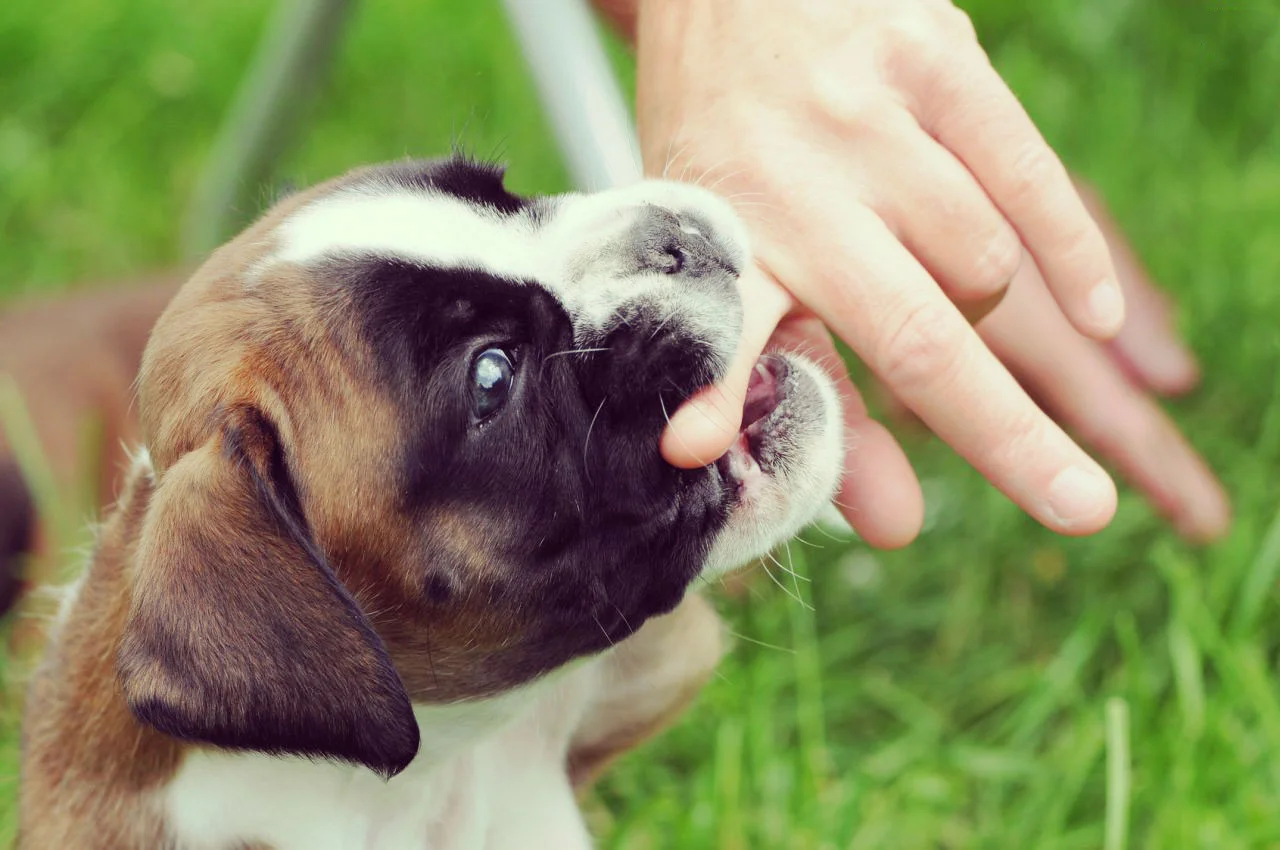
How To Stop Boxer Puppy Biting: A Complete Guide for New Boxer Owners
How To Stop Boxer Puppy Biting: A Complete Guide for New Boxer Owners
One of the most common concerns new owners have is dealing with Boxer puppy biting. While those sharp little teeth may seem harmless at first, playful nipping and mouthing can quickly become frustrating if not addressed properly.
The good news is that biting is a normal part of puppy development. Boxer puppies use their mouths to explore the world, interact with littermates, and communicate during play. With proper training, consistency, and patience, you can teach your puppy appropriate behavior and reduce unwanted biting.
If you’re currently searching for healthy and well-socialized Boxer puppies for sale Near Me, starting with a puppy that has received early socialization and positive human interaction can make training much easier.
Why Do Boxer Puppies Bite?
Before correcting the behavior, it helps to understand why puppies bite in the first place.
Natural Puppy Behavior
Puppies learn about their environment through their mouths. Just like human babies put objects in their mouths, puppies use biting and chewing to investigate new experiences.
Teething
Boxer puppies typically begin teething between 3 and 6 months of age. During this period, chewing and biting help relieve discomfort caused by erupting adult teeth.
Play Behavior
Puppies often use their mouths during play with littermates. This behavior naturally continues when they join their new families.
Attention Seeking
Sometimes puppies learn that biting gets attention, even if that attention is negative.
Overstimulation
When puppies become overly excited or tired, they may become more mouthy and difficult to control.
Understanding the cause of the behavior makes it easier to respond appropriately.
Is Boxer Puppy Biting Normal?
Yes.
Nearly all Boxer puppies go through a biting and nipping phase. Because Boxers are energetic, playful, and highly social dogs, many owners notice more mouthing behavior compared to some other breeds.
The important thing is teaching your puppy what is acceptable and what is not.
Most puppies naturally improve as they mature, especially when consistent training is provided.
When Does Boxer Puppy Biting Stop?
Every puppy develops at a different pace.
Many Boxer puppies begin showing significant improvement between:
- 4 and 6 months of age
- After teething is complete
- When proper bite inhibition training is practiced
- When exercise and mental stimulation needs are met
Consistency is the key to success.
Teach Bite Inhibition Early
One of the most important lessons a puppy can learn is bite inhibition.
Bite inhibition teaches puppies to control the force of their mouths when interacting with people.
How to Teach Bite Inhibition
If your puppy bites too hard during play:
- Immediately stop interaction.
- Stand up and remain calm.
- Withdraw attention briefly.
- Resume play once your puppy settles down.
Your puppy learns that rough play causes fun activities to stop.
Over time, this encourages gentler behavior.
Redirect Biting to Appropriate Toys
One of the simplest ways to stop unwanted biting is redirection.
Whenever your puppy begins biting hands, clothing, or furniture:
- Offer a chew toy.
- Redirect attention to an approved item.
- Reward engagement with the toy.
Some great options include:
- Puppy-safe chew toys
- Rubber toys
- Teething rings
- Food-dispensing toys
- Durable chew products recommended by your veterinarian
Consistency helps puppies understand what they are allowed to chew.
Avoid Rough Play
Many owners accidentally encourage biting by engaging in rough play.
Avoid:
- Wrestling with your puppy
- Using hands as toys
- Encouraging chasing and grabbing
- Allowing playful attacks on clothing
Instead, use toys during interactive play sessions.
This helps create clear boundaries and prevents confusion.
Provide Adequate Exercise
Boxers are active dogs.
A bored puppy often becomes a mischievous puppy.
Regular physical activity helps reduce excess energy that can contribute to biting.
Age-appropriate exercise may include:
- Short walks
- Structured play sessions
- Training activities
- Socialization experiences
- Interactive games
Exercise should always be appropriate for your puppy’s age and development.
Mental Stimulation Reduces Biting
Physical exercise alone is not enough.
Boxers are highly intelligent and benefit from activities that challenge their minds.
Try:
- Puzzle toys
- Obedience training
- Hide-and-seek games
- Scent work activities
- Food puzzles
Mental enrichment can significantly reduce unwanted behaviors.
Use Positive Reinforcement
Positive reinforcement is one of the most effective training methods for Boxer puppies.
Whenever your puppy displays calm behavior:
- Offer praise
- Give treats
- Reward appropriate chewing
- Reinforce good choices
Puppies repeat behaviors that earn rewards.
Focus on teaching what you want rather than constantly correcting what you don’t want.
Recognize Signs of Overstimulation
Many biting incidents occur when puppies become overtired or overstimulated.
Signs include:
- Increased nipping
- Zoomies
- Difficulty focusing
- Excessive barking
- Hyperactive behavior
When this happens, your puppy may simply need a break or quiet rest period.
Proper sleep is essential for healthy development.
Common Mistakes Owners Make
Inconsistent Rules
Everyone in the household should follow the same training approach.
Punishing the Puppy
Harsh punishment can create fear and confusion.
Positive reinforcement generally produces better long-term results.
Encouraging Mouthing
Allowing puppy biting sometimes and correcting it at other times sends mixed messages.
Ignoring Exercise Needs
Many biting problems improve when physical and mental needs are met consistently.
How Early Socialization Helps Prevent Problem Behaviors
Proper socialization contributes to confidence and emotional stability.
Well-socialized puppies often learn appropriate interactions more quickly because they have positive exposure to people, environments, and experiences.
This is one reason why choosing a responsible breeder is so important.
If you’re currently looking for Boxer puppies for sale, selecting a puppy that has received early socialization and proper care can provide an excellent foundation for future training success.
Choosing a Well-Socialized Boxer Puppy
Training begins long before a puppy goes home.
Responsible breeders focus on:
- Early human interaction
- Positive handling experiences
- Environmental enrichment
- Puppy development
- Confidence building
These experiences help prepare puppies for a smoother transition into family life.
To learn more about our available Boxer puppies for sale, visit our puppy page and discover how our commitment to puppy development helps create confident and well-adjusted companions.
Final Thoughts
Boxer puppy biting is a normal stage of development, but it does not have to become a long-term problem.
Through patience, consistency, positive reinforcement, proper socialization, and appropriate exercise, most puppies learn quickly and develop excellent manners.
Remember that every interaction is an opportunity to teach your puppy what is expected. The time and effort invested during puppyhood can help create a confident, well-behaved Boxer companion for years to come.
Frequently Asked Questions
Why does my Boxer puppy bite so much?
Puppies naturally bite during play, teething, exploration, and social development.
At what age do Boxer puppies stop biting?
Many puppies show improvement between 4 and 6 months of age, especially after teething and consistent training.
Should I punish my Boxer puppy for biting?
Positive reinforcement and redirection are generally more effective than punishment-based approaches.
What are the best toys for a teething Boxer puppy?
Durable chew toys, puppy-safe rubber toys, and veterinarian-approved teething products can help satisfy chewing needs.
Does exercise help reduce biting?
Yes. Adequate physical activity and mental stimulation often reduce excess energy that contributes to unwanted mouthing and nipping.
The Complete Boxer Puppy Training Guide: Raising a Well-Behaved Boxer Puppy

Aubree R.C is a passionate and dedicated puppy breeder committed to raising healthy, happy, and well-socialized Boxer and Great Dane puppies. With a strong love for dogs and years of hands-on experience, Aubree focuses on providing each puppy with proper care, early socialization, and a loving environment from day one. Every puppy is raised with attention to health, temperament, and quality to ensure they become loyal companions for their future families. Aubree R.C takes pride in helping families find the perfect puppy while offering ongoing support and guidance throughout the adoption proce