Blog
Boxer Puppy Crate Training Guide: How to Successfully Crate Train Your Boxer Puppy
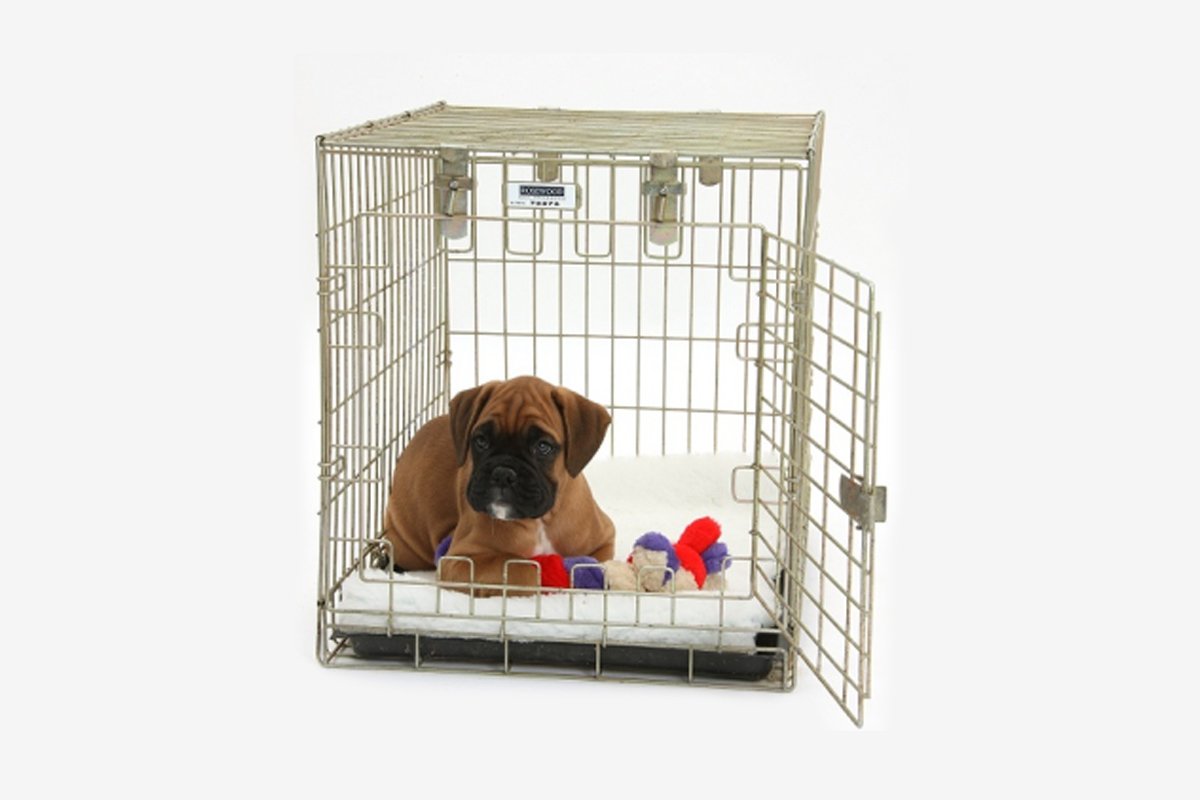
Boxer Puppy Crate Training Guide: How to Successfully Crate Train Your Boxer Puppy
Crate training is one of the most valuable skills you can teach your Boxer puppy. When done correctly, a crate becomes a safe and comfortable space where your puppy can relax, sleep, and feel secure. Crate training also plays an important role in house training, preventing destructive behavior, and helping your puppy adjust to daily routines.
Many new owners worry that crate training may be stressful for their puppy, but when introduced properly, most Boxer puppies learn to view their crate as a personal den and safe retreat.
If you’re currently searching for healthy and well-socialized Boxer puppies for sale in LA, starting with a puppy that has received early handling and positive experiences can make crate training much easier.
Why Crate Training Is Important for Boxer Puppies
Boxers are intelligent, energetic, and highly social dogs. Like many puppies, they need structure and consistency to thrive.
Crate training provides several benefits:
- Helps with house training
- Creates a safe resting area
- Prevents destructive chewing
- Supports travel and transportation
- Assists with veterinary visits
- Establishes healthy routines
- Encourages independence
When used properly, a crate becomes a valuable tool for both the puppy and the owner.
Do Boxer Puppies Like Crates?
Most Boxer puppies can learn to love their crate when it is introduced positively.
Dogs naturally seek secure spaces where they can rest without being disturbed. A properly sized crate often provides the same comfort and security that a den would provide in nature.
The key is making the crate a positive experience from the very beginning.
Choosing the Right Crate for Your Boxer Puppy
Selecting the proper crate is an important first step.
Size Matters
The crate should be large enough for your puppy to:
- Stand comfortably
- Turn around easily
- Lie down fully stretched out
However, it should not be so large that your puppy can use one area as a bathroom and another as a sleeping area.
Many owners purchase an adjustable crate with divider panels that can expand as the puppy grows.
Where Should the Crate Be Placed?
Location can significantly impact crate training success.
Place the crate in an area where your family spends time, such as:
- Living room
- Family room
- Home office
At night, many owners place the crate in their bedroom or nearby during the early weeks.
Being close to family members often helps puppies feel more secure and reduces anxiety.
Introducing Your Boxer Puppy to the Crate
The goal is to create positive associations.
Step 1: Allow Exploration
Leave the crate door open and allow your puppy to investigate freely.
Do not force your puppy inside.
Step 2: Add Comfort Items
Include:
- Soft bedding
- Safe chew toys
- Puppy blankets
These items help make the crate inviting.
Step 3: Use Treats
Place treats inside the crate and reward your puppy for entering voluntarily.
Positive reinforcement encourages confidence and curiosity.
Feeding Meals in the Crate
One of the easiest ways to build positive associations is through food.
Place your puppy’s meals inside the crate.
Benefits include:
- Positive crate experiences
- Increased comfort
- Reduced fear
- Faster crate acceptance
Many puppies quickly begin entering the crate willingly when meals are involved.
Gradually Increase Crate Time
Crate training should happen gradually.
Start with short periods and slowly increase the duration.
Example Schedule
Day 1–3:
- 5 to 10 minutes
Day 4–7:
- 15 to 20 minutes
Week 2:
- 30 to 60 minutes
Continue increasing time as your puppy becomes comfortable.
Patience is essential.
Crate Training at Night
Nighttime is often the most challenging part of crate training.
Tips for Success
- Ensure your puppy has had a potty break before bedtime
- Keep the crate nearby
- Provide a comfortable sleeping environment
- Maintain a consistent bedtime routine
Most puppies adjust within a few days to a few weeks.
Remember that young puppies may need nighttime bathroom breaks.
Using the Crate for House Training
Crate training and house training work exceptionally well together.
Most puppies naturally avoid soiling their sleeping area.
A crate helps teach:
- Bladder control
- Routine
- Predictable potty habits
Always take your puppy outside immediately after:
- Waking up
- Eating
- Drinking
- Playtime
- Crate sessions
Consistency leads to faster results.
Preventing Separation Anxiety
Proper crate training can help encourage confidence and independence.
Avoid making departures and arrivals overly emotional.
Instead:
- Keep interactions calm
- Reward relaxed behavior
- Practice short absences
- Gradually increase time alone
This helps puppies learn that being alone is safe and temporary.
Common Crate Training Mistakes
Using the Crate as Punishment
Never send your puppy to the crate because they misbehaved.
The crate should always remain a positive place.
Moving Too Fast
Some puppies need more time than others.
Progress at your puppy’s pace.
Excessive Crate Time
Puppies need exercise, socialization, and interaction.
The crate should not replace normal daily activities.
Ignoring Potty Needs
Young puppies cannot hold their bladder for extended periods.
Provide frequent bathroom breaks.
How Long Can a Boxer Puppy Stay in a Crate?
General guidelines vary based on age.
8–10 Weeks
Approximately 1 hour
11–14 Weeks
Approximately 2–3 hours
15–16 Weeks
Approximately 3–4 hours
Older Puppies
Longer periods may be possible with proper training.
Every puppy is different, so monitor your puppy’s needs carefully.
Creating a Positive Crate Experience
The best crate training programs focus on positive reinforcement.
Reward:
- Entering the crate
- Calm behavior
- Quiet resting
- Relaxation
Avoid forcing your puppy into the crate or creating negative associations.
Consistency and patience are far more effective.
Starting with a Well-Socialized Puppy
A puppy’s early experiences can significantly impact training success.
Responsible breeders focus on:
- Early handling
- Human interaction
- Confidence building
- Environmental enrichment
- Positive development experiences
These early foundations often make crate training easier and less stressful.
If you are looking for Boxer puppies for sale, choosing a puppy that has received proper socialization and early developmental care can make a significant difference in the training process.
Visit our Boxer Puppies for Sale page to learn more about our available puppies and our commitment to responsible breeding and puppy development.
Final Thoughts
Crate training is one of the most effective tools available to Boxer puppy owners. When introduced properly, a crate becomes a safe space that supports house training, behavior management, and emotional security.
Remember that crate training is a process, not an overnight success. With patience, consistency, and positive reinforcement, most Boxer puppies quickly learn to view their crate as a comfortable and trusted part of daily life.
The effort you invest during the early weeks will help establish habits that benefit both you and your Boxer for years to come.
Frequently Asked Questions
Is crate training good for Boxer puppies?
Yes. Crate training helps provide structure, supports house training, and creates a safe environment for your puppy.
How long does crate training take?
Many puppies become comfortable with a crate within a few days to a few weeks, depending on consistency and individual temperament.
Should I let my Boxer puppy cry in the crate?
Some adjustment is normal, but excessive distress may indicate the puppy needs reassurance, a potty break, or a slower introduction process.
Can a Boxer puppy sleep in a crate at night?
Yes. Many owners successfully use crates for nighttime sleeping and house training.
What should I put inside my puppy’s crate?
Comfortable bedding, safe chew toys, and puppy-safe items can help create a positive and inviting environment.

Aubree R.C is a passionate and dedicated puppy breeder committed to raising healthy, happy, and well-socialized Boxer and Great Dane puppies. With a strong love for dogs and years of hands-on experience, Aubree focuses on providing each puppy with proper care, early socialization, and a loving environment from day one. Every puppy is raised with attention to health, temperament, and quality to ensure they become loyal companions for their future families. Aubree R.C takes pride in helping families find the perfect puppy while offering ongoing support and guidance throughout the adoption proce