Blog
The Complete Boxer Puppy Training Guide: Raising a Well-Behaved Boxer Puppy
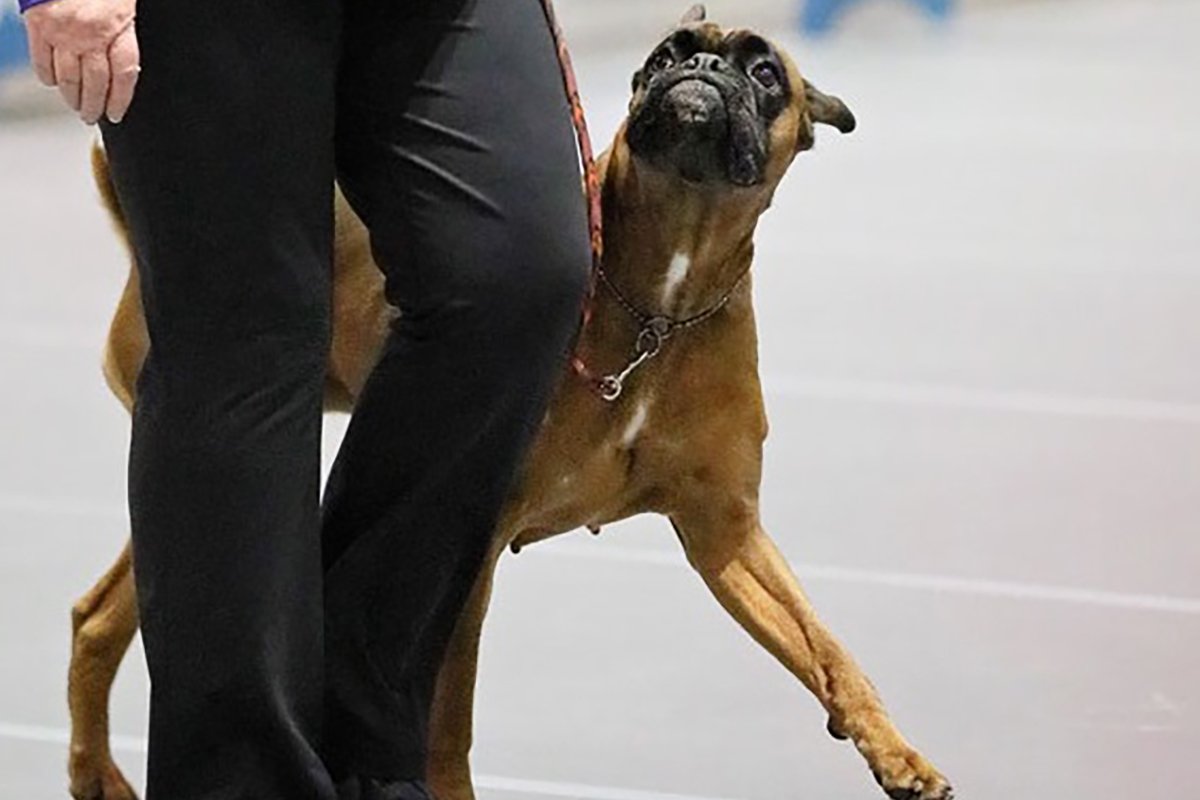
The Complete Boxer Puppy Training Guide: Raising a Well-Behaved Boxer Puppy
Boxer puppies are intelligent, energetic, and incredibly loyal companions. Their playful personalities and strong desire to interact with their families make them one of the most popular dog breeds in the world. However, like all puppies, Boxers require proper training, consistency, and socialization to grow into well-mannered adult dogs.
Whether you have recently welcomed a Boxer puppy into your home or are preparing for a new addition, this comprehensive Boxer Puppy Training Guide will help you build a strong foundation for lifelong success.
If you’re currently searching for healthy and well-socialized Boxer puppies for sale, be sure to visit our Available Puppies page to learn more about our current litters and upcoming availability.
Understanding the Boxer Temperament
Before beginning any training program, it is important to understand the Boxer breed.
Boxers are known for:
- Intelligence
- High energy levels
- Strong family bonds
- Playful personalities
- Loyalty and devotion
- Eagerness to learn
While Boxers are highly trainable, they can also be enthusiastic and occasionally stubborn. Positive reinforcement and consistency are essential for achieving the best results.
When Should You Start Training a Boxer Puppy?
Training should begin as soon as your puppy arrives home.
The first few months of life are critical for learning and social development. Young puppies absorb information quickly and establish habits that often carry into adulthood.
Focus on:
- Name recognition
- House training
- Crate training
- Basic obedience
- Socialization
- Leash introduction
Early training helps prevent unwanted behaviors and builds confidence.
House Training Your Boxer Puppy
One of the first priorities for new puppy owners is potty training.
Tips for Successful House Training
Establish a Schedule
Take your puppy outside:
- First thing in the morning
- After meals
- After naps
- Before bedtime
- Every 1–2 hours initially
Use Positive Reinforcement
Praise your puppy immediately after successful potty breaks outdoors.
Supervise Closely
Avoid giving your puppy unrestricted access to the home during the early training stages.
Be Consistent
Consistency is the key to successful house training.
Most Boxer puppies respond well to routine and structure.
Crate Training a Boxer Puppy
Crate training can provide your puppy with a safe and comfortable space while helping with house training and daily management.
Benefits of Crate Training
- Helps establish routines
- Assists with house training
- Prevents destructive behavior
- Creates a safe resting area
- Supports travel and veterinary visits
The crate should always be a positive place where your puppy feels secure and comfortable.
Never use the crate as punishment.
Teaching Basic Obedience Commands
Basic obedience training provides structure and improves communication between you and your Boxer puppy.
Start with:
Sit
One of the easiest commands to teach.
Stay
Helps improve impulse control and safety.
Come
One of the most important commands for recall and reliability.
Down
Encourages calm behavior and focus.
Leave It
Helps prevent unwanted chewing and unsafe behavior.
Short, positive training sessions produce the best results.
Socializing Your Boxer Puppy
Proper socialization is one of the most important aspects of puppy development.
A well-socialized Boxer puppy is more likely to become a confident and adaptable adult dog.
Introduce your puppy to:
- New people
- Different environments
- Household sounds
- Car rides
- Friendly dogs
- Veterinary visits
Positive experiences during early development can have long-lasting benefits.
Managing Boxer Puppy Biting
Puppy biting is normal behavior.
Boxer puppies naturally explore their environment with their mouths and often engage in play biting during development.
How to Reduce Puppy Biting
- Provide appropriate chew toys
- Redirect unwanted biting
- End play sessions when biting becomes excessive
- Reward calm behavior
- Avoid rough play that encourages biting
Patience and consistency are important during this stage.
Leash Training Your Boxer Puppy
Teaching your Boxer puppy to walk politely on a leash should begin early.
Leash Training Tips
- Use a properly fitted collar or harness
- Start with short walks
- Reward desired behavior
- Stop moving when pulling occurs
- Keep training sessions positive
Boxers are powerful dogs, and early leash training can help establish good habits before they reach full size.
Mental Stimulation for Boxer Puppies
Boxers are intelligent dogs that thrive when given opportunities to learn and problem-solve.
Mental enrichment can include:
- Puzzle toys
- Obedience training
- Interactive games
- Scent activities
- Food-dispensing toys
Mental exercise is just as important as physical activity.
Common Boxer Puppy Training Mistakes
Inconsistent Rules
Everyone in the household should follow the same training expectations.
Punishment-Based Training
Positive reinforcement is generally more effective and helps strengthen the bond between owner and puppy.
Skipping Socialization
Early exposure to new experiences is essential for healthy development.
Lack of Exercise
Boxers require physical and mental stimulation to remain happy and engaged.
How Much Exercise Does a Boxer Puppy Need?
Exercise requirements vary based on age.
Young puppies benefit from:
- Short walks
- Structured playtime
- Social interaction
- Training sessions
Avoid excessive exercise during periods of rapid growth.
Consult your veterinarian for guidance regarding appropriate activity levels.
Why Consistency Matters
Consistency is the foundation of successful puppy training.
By maintaining clear expectations, rewarding desired behaviors, and creating predictable routines, you help your Boxer puppy understand what is expected.
Training is not just about teaching commands—it is about building trust, communication, and a lifelong bond.
Looking for Boxer Puppies for Sale?
Starting with a healthy, well-socialized puppy can make training easier and more rewarding.
If you are currently searching for Boxer puppies for sale, we invite you to explore our available puppies and learn more about our commitment to responsible breeding, early socialization, and puppy development.
Visit our Boxer Puppies for Sale page to view current availability and discover how Boxer Puppy Hub helps puppies get the best possible start in life.
Frequently Asked Questions
Are Boxer puppies easy to train?
Boxers are intelligent and eager to learn, making them highly trainable when positive reinforcement and consistency are used.
At what age should training begin?
Training should begin as soon as your puppy arrives home, typically around 8 weeks of age.
Do Boxers require a lot of exercise?
Boxers are energetic dogs that benefit from regular physical activity and mental stimulation.
How long does house training take?
Every puppy learns at a different pace, but consistency and routine can significantly improve success.
What is the most important part of training a Boxer puppy?
Socialization, consistency, and positive reinforcement are among the most important factors in raising a well-behaved Boxer.

Aubree R.C is a passionate and dedicated puppy breeder committed to raising healthy, happy, and well-socialized Boxer and Great Dane puppies. With a strong love for dogs and years of hands-on experience, Aubree focuses on providing each puppy with proper care, early socialization, and a loving environment from day one. Every puppy is raised with attention to health, temperament, and quality to ensure they become loyal companions for their future families. Aubree R.C takes pride in helping families find the perfect puppy while offering ongoing support and guidance throughout the adoption proce